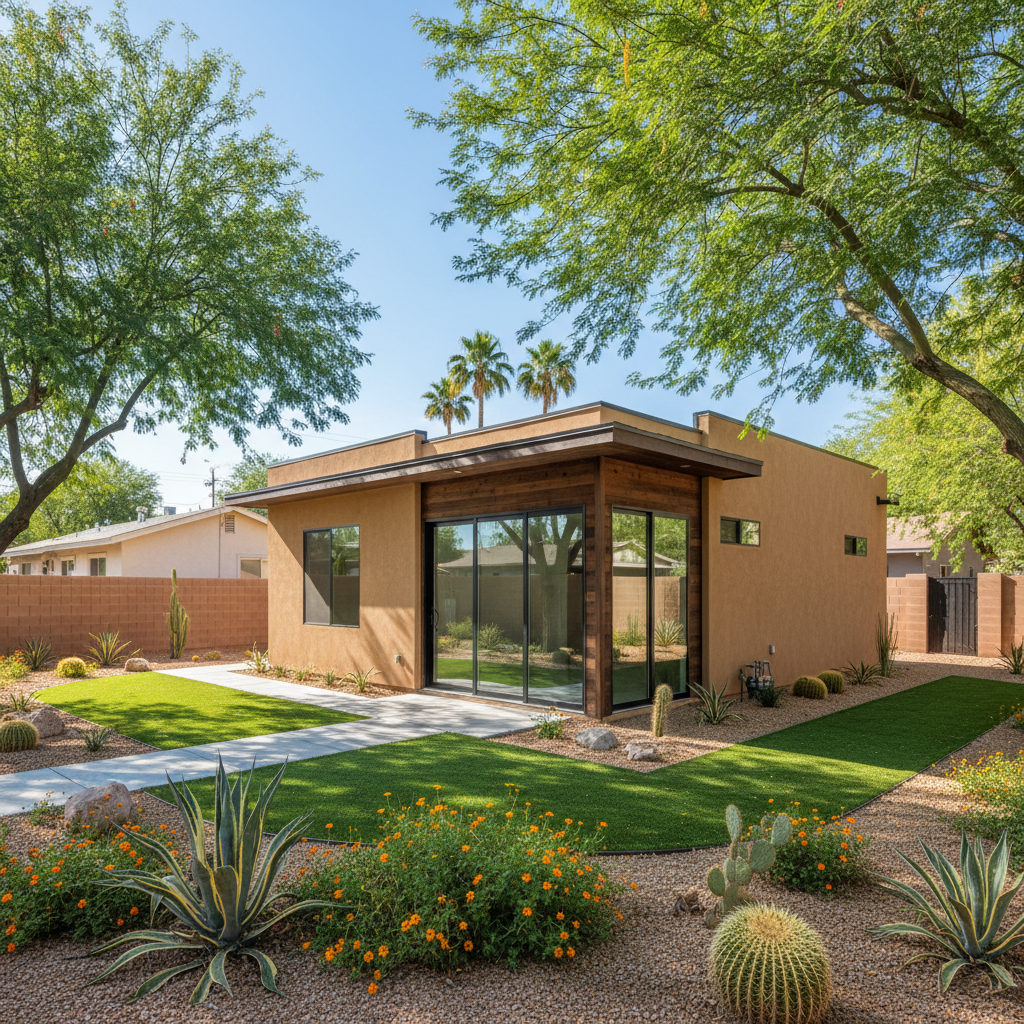
Planning an Accessory Dwelling Unit (ADU) here in Phoenix? That's a smart move. They add value, provide extra space for family, or even generate rental income. But I've seen a lot of folks stumble right out of the gate, especially when it comes to the engineering side of things. It's not just about drawing up plans; it's about making sure those plans actually work on your property and with our unique desert conditions.
Ignoring Site-Specific Geotechnical Reports
This is probably the biggest mistake I see, and it's a costly one. You wouldn't build a house on sand, right? Well, Phoenix soil isn't exactly sand, but it's not always solid bedrock either. We've got caliche, expansive clays, and sometimes even old fill dirt, especially in some of the older neighborhoods or areas that were once agricultural. A lot of homeowners try to skip the geotechnical report to save a few hundred bucks up front. Big mistake.
Without a proper geo-report, your engineer is essentially guessing at the soil conditions. They might design a foundation that's overkill, costing you thousands in unnecessary concrete and rebar. Or, worse, they might design one that's insufficient. If your ADU starts settling or cracking a few years down the road because the foundation wasn't designed for the actual soil, you're looking at massive repair bills that dwarf the cost of that initial report. Get the report. It's non-negotiable for a solid build.
Hiring an Engineer Who Doesn't Specialize in Residential or ADU Projects
Engineering is a broad field. You wouldn't hire a bridge engineer to design your kitchen cabinets, would you? The same goes for ADUs. Some engineers specialize in commercial buildings, others in industrial structures. They might be brilliant, but if they don't regularly work on residential projects, especially smaller ones like ADUs, they might miss nuances specific to our local residential codes or common construction practices for these types of structures.
Look for an engineer who has a portfolio of residential projects, ideally ADUs. They'll be more familiar with typical span requirements, foundation types suitable for residential loads, and the most cost-effective ways to achieve structural integrity without over-engineering. Ask for references and see examples of their work. You want someone who understands the balance between structural soundness and budget for a residential project.
Not Considering Utilities Early Enough
This isn't strictly an engineering design mistake, but it impacts the engineering significantly. Many homeowners get excited about the layout and look of their ADU, and they forget about the boring stuff like sewer, water, and electrical connections until much later. Running new utility lines can be incredibly expensive, especially if you have to trench across a long yard, dig up existing landscaping, or connect to an overloaded main panel.
Your engineer needs to know where these connections are going to come from. Are you tying into the existing house's sewer line? Is that line deep enough and large enough to handle the additional load? What about water pressure? Electrical capacity? These questions need answers early on because they can dictate the best placement for your ADU, the foundation design (if trenches need to be deep or extensive), and the overall project budget. Don't let utility surprises derail your project halfway through.
Ignoring Passive Cooling Strategies in the Design
We live in Phoenix. It gets hot. Really hot. I've seen ADU designs that look great on paper but clearly weren't designed with our climate in mind. This isn't just about insulation; it's about the orientation of the building, window placement, overhangs, and even roof color. A good engineer, working with an architect or designer, should be thinking about how to keep that ADU cool efficiently.
Things like strategic window placement to minimize direct sun exposure, especially on the west side, or designing proper roof overhangs to shade walls and windows are critical. Even considering things like a light-colored roof or materials with good thermal mass can make a huge difference in energy bills down the line. Don't just build a box and hope the AC can handle it. Think about passive cooling from the start. It's an engineering consideration that pays dividends for years.
Choosing the Cheapest Bid Without Due Diligence
Everyone wants to save money, I get it. But when it comes to engineering, the cheapest bid can often be the most expensive in the long run. Sometimes a low bid means the engineer is cutting corners, not doing thorough calculations, or using boilerplate designs that aren't optimized for your specific project.
A good engineer will ask a lot of questions, visit your site, and provide a detailed proposal. They'll explain their process and what's included. If a bid seems too good to be true, it probably is. Check their licensing with the Arizona State Board of Technical Registration. Look for reviews. Ask for examples of their work. At Phoenix ADU Solutions, Inc., we always recommend getting at least three bids, but don't just pick the lowest one. Evaluate the quality, experience, and thoroughness of each proposal. Your ADU is a significant investment; make sure it's built on solid engineering.
Not Understanding the Permitting Process
Phoenix has specific requirements for ADU permits, and they can be tricky. Your engineer plays a crucial role in preparing plans that meet these codes. A common mistake is assuming the engineer will handle everything permit-related, or not understanding what the city will require. This can lead to delays, resubmissions, and frustration.
Make sure your engineer is familiar with the City of Phoenix planning and zoning ordinances for ADUs. They should be able to clearly communicate what's needed in the structural plans to satisfy local building officials. Ask them about their experience with Phoenix permits. Having an engineer who knows the ropes can save you weeks, if not months, in the permitting process.
Overlooking Future Needs or Flexibility
An ADU isn't just for today; it's for the future. I've seen folks design a perfect little granny flat, only to realize a few years later they wish it had a separate office space, or could easily be converted into something else. While an engineer's primary job is structural integrity, a good one will also think about the practical implications of their design choices.
For instance, if you're thinking about adding a second story to your main house down the line, or expanding the ADU, the foundation design might need to be beefed up now to accommodate that future load. Or, if you plan to rent it out, consider soundproofing or separate utility metering from the start. Discuss your long-term goals with your engineer and designer. Building in flexibility now can save you major headaches and costs later.
Building an ADU is exciting, and with the right planning, it's a fantastic addition to your property. Just make sure you're avoiding these common engineering pitfalls. Do your homework, ask the right questions, and invest in quality professionals. It'll pay off in a big way.